
Elected Here, Campaigning There: The Tower Hamlets Dilemma
Summary
Several Tower Hamlets councillors are under fire for campaigning for parliamentary seats in Bangladesh while still serving (and being paid!) as UK local representatives. We argue that this splits loyalty and undermines accountability, particularly where councillors show poor attendance and neglect local duties. While not illegal under current law, the situation exposes a serious governance gap in standards for elected officials.
Pickthall House proposes the following policy measures:
- Mandatory disclosure: Councillors must publicly declare any foreign political candidacy within seven days, with notification to standards committees.
- Unpaid leave and resignation rules: Councillors campaigning abroad should be placed on unpaid leave; election to foreign office should trigger immediate resignation and a by-election.
- Stricter attendance enforcement: Failure to attend at least 75% of meetings over six months should result in automatic standards review and possible disqualification.
More
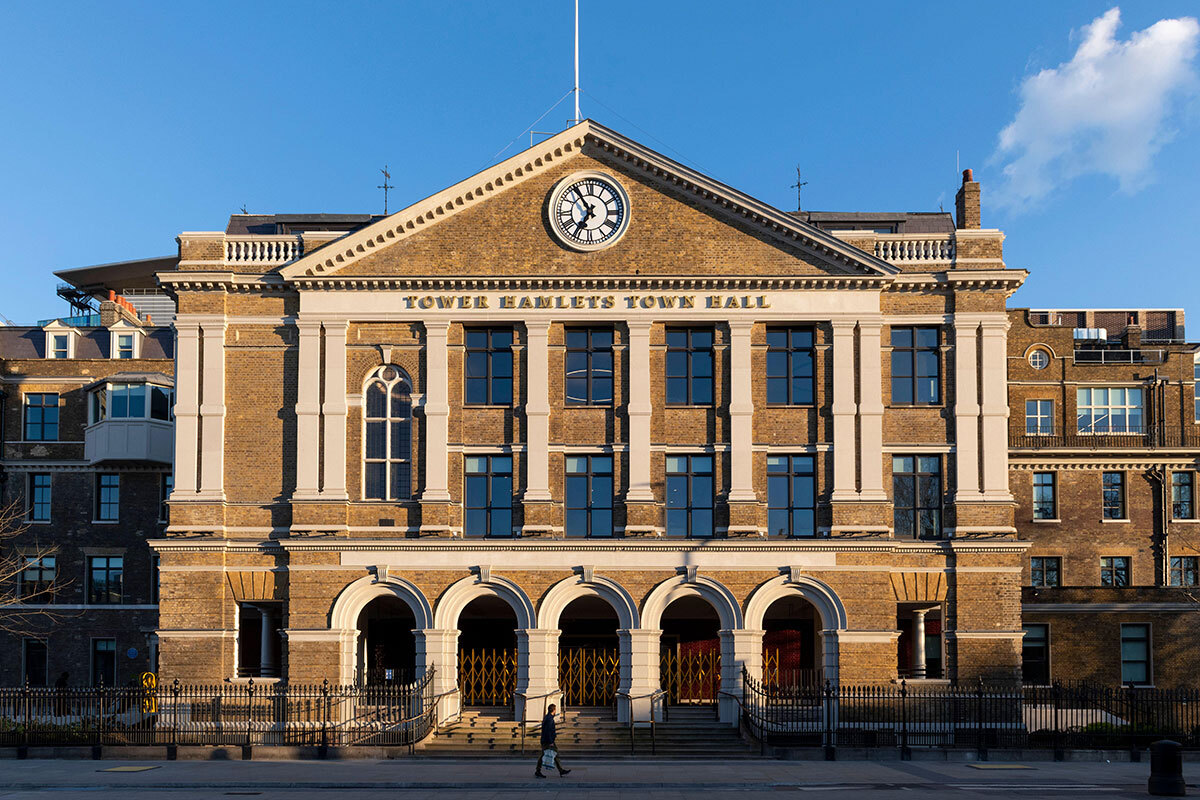
A political controversy is unfolding in one of London’s most diverse boroughs, where elected councillors are campaigning for parliamentary seats abroad, thousands of miles from their wards. The revelation that several councillors in the London Borough of Tower Hamlets are seeking election to Bangladesh’s national parliament has ignited debate about political loyalty in the UK.
At the centre of the storm is Sabina Khan, Mile End councillor and member of the Aspire Party, who is seeking nomination as a Bangladesh National Party (BNP) candidate in Bangladesh’s upcoming February 2026 general election. Khan, who was elected as a Labour councillor in 2022 before defecting to Aspire, holds influential positions on the council’s Overview and Scrutiny Committee and its Licensing Committee. However, council records reveal she has attended fewer than half of her required meetings since February 2025, raising serious questions about her commitment to the voters who elected her.
Khan is not alone in her transnational political ambitions. Ohid Ahmed, an independent councillor representing the Lansbury ward, is also pursuing a seat in Bangladesh’s parliament. Ahmed’s political journey reflects the complex dynamics of Tower Hamlets’ politics: first elected as a Labour councillor in 2002, he later joined controversial mayor Lutfur Rahman’s Tower Hamlets First party, then Aspire, before becoming independent last year. His social media presence reveals a dual focus, posting about both Tower Hamlets issues and Bangladeshi politics, including commentary on the BNP and opposition to stricter UK migration policies.
Reports suggest at least one additional Tower Hamlets councillor is preparing to contest the Bangladesh election, though they have not been publicly identified. The timing is particularly significant, as this will be Bangladesh’s first national election since the August 2024 ousting of former Prime Minister Sheikh Hasina following student-led protests.
The UK government has responded with strong condemnation. A spokesperson for the Ministry of Housing, Communities and Local Government declared: “This behaviour is unacceptable. All councillors must uphold the Nolan principles, including integrity, objectivity, and accountability.” The statement reflects growing concern at Westminster about councillors dividing their attention between local responsibilities and foreign political campaigns.
Tower Hamlets Council has defended the councillors’ actions on technical grounds, noting that UK law does not automatically disqualify someone from serving as a councillor simply because they are running for or holding elected office in another country. An Aspire Party spokesperson stated that Khan would resign her council position if elected in Bangladesh. The borough is scheduled to hold local elections in May 2026.
Yet for many observers, the legal argument misses the fundamental point. The controversy highlights more profound questions about the nature of political representation and public service. Councillors receive public funds (Khan earns over £20,000 annually from her council roles) to serve their local constituents. When those councillors are frequently absent due to campaigning for office in another country, pressing local issues like housing, waste management, and street maintenance go unaddressed.
The situation is particularly sensitive given Tower Hamlets’ political history. The borough is home to the UK’s largest Bangladeshi community, with 34.6% of residents reporting as ethnically Bangladeshi in the 2021 Census, and approximately 86% of its 45 councillors sharing Bangladeshi heritage. This demographic reality creates strong diaspora connections, but has also been accompanied by political controversy. Lutfur Rahman, who leads the Aspire Party, was stripped of his position as Mayor of Tower Hamlets in 2015 and fined £250,000 after being convicted of election fraud, including having ordered imams to tell Muslim constituents it was their religious duty to vote for him. He returned to the mayoralty in the 2022 election after his disqualification period ended, winning 54.9% in the second round.
The current controversy also echoes recent national-level scandals involving British politicians with Bangladeshi connections. Earlier in 2025, Labour MP Tulip Siddiq resigned from her position as anti-corruption minister after being named in a corruption probe in Bangladesh. Siddiq, whose aunt was Sheikh Hasina, faces allegations of illegally acquiring property and participating in multibillion-dollar embezzlement related to a Russian-funded nuclear power station. She has denied the charges and refused to attend court proceedings in Bangladesh, calling the court corrupt.
While Sabina Khan has since indicated that she shall resign, and not seek re-election in May 2026, the Tower Hamlets case nonetheless raises troubling questions about how far elected officials can pursue competing political interests while fulfilling their duties to local voters. To prevent similar actions by other elected officials, Pickthall House urges the UK government to adopt stricter policies on councillor conduct and accountability. Specifically, Pickthall House recommends the following policies:
- Mandatory disclosure of foreign political candidacies. Elected officials should be legally required to declare any intention to seek elected office in another country within seven days of beginning their campaign. In the case of local government, this declaration should be publicly posted on council websites and reported to the council’s respective standards committee.
- Automatic leave of absence provisions for foreign campaign periods. If councillors choose actively to campaign for office abroad, they should be placed on unpaid leave from their UK council positions for the duration of the campaign. If elected to a foreign office, they must resign their UK council seat immediately, triggering a by-election to give constituents proper representation.
- Strengthened and enforceable attendance requirements. Councils should implement stricter policies to ensure councillors attend regularly. Councillors who fail to attend at least 75% of required meetings over any six-month period should face automatic referral to their standards committee. Persistent absenteeism without valid medical or emergency reasons should result in disqualification and the calling of a by-election.
Such policies will strengthen public trust in elected officials while honouring the genuine diaspora connections that enrich Britain’s pluralistic communities.