
Research and strategy for Britain in a changing global order.
Pickthall House produces policy research centred on building robustness and resilience as the global order shifts — promoting Britain as a diplomatic bridge, preparing for technological and energy change, and strengthening social cohesion at home.
Featured research
The report argues that a comprehensive national inquiry into the Grooming Gangs Scandal is essential to uncover severe institutional failures, provide justice for victims, and combat far-right conspiracy theories, as previous local investigations proved vastly insufficient.
Read PaperLatest articles
All Articles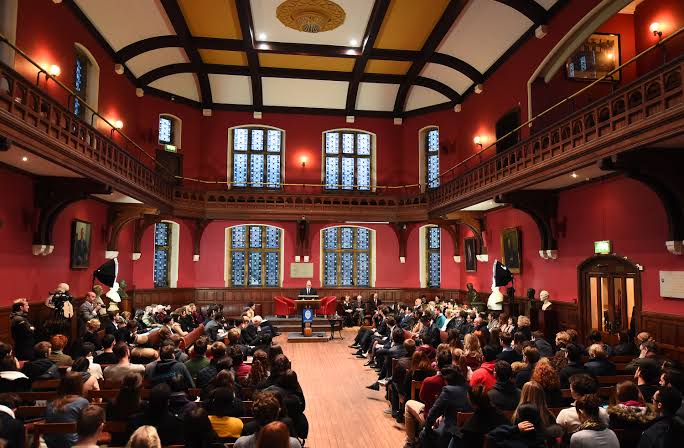
Let Him Speak: Tommy Robinson at the Oxford Union
Tommy Robinson should be allowed to speak at the Oxford Union, as banning him would strengthen his image as a silenced truth-teller.
Read MoreLet Him Speak: Tommy Robinson at the Oxford Union
Tommy Robinson should be allowed to speak at the Oxford Union, as banning him would strengthen his image as a silenced truth-teller.
Read More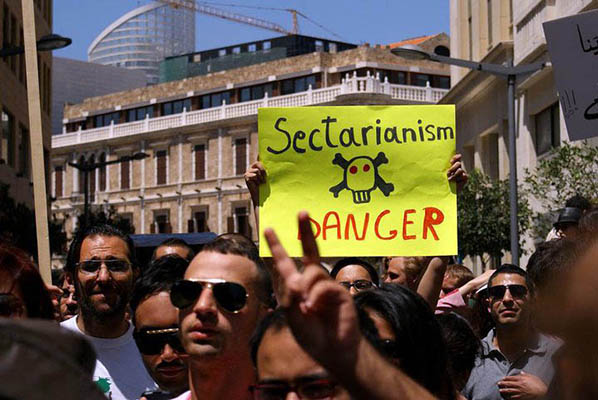
On “sectarianism” and Muslim sympathies in British politics
The accusations of “sectarianism” against British Muslims are often politically exaggerated.
Read More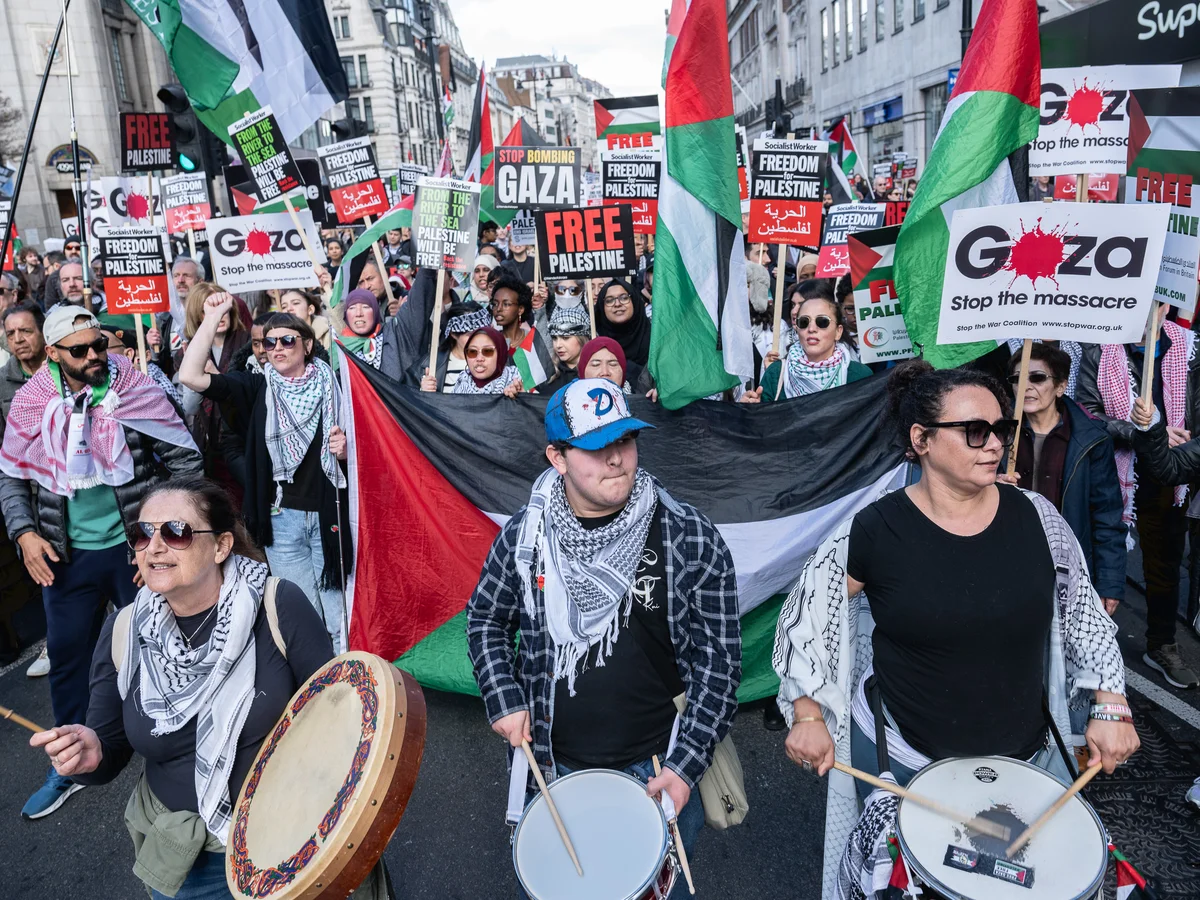
Pickthall House calls on UK government to repeal ban on Palestine Action following High Court ruling
The ban is condemned as authoritarian, threatening free speech and civil liberties.
Read MoreWhite Papers
All PapersFighting an Abstraction: Why the Law Can’t Stop ‘Extremism’
The paper argues that “extremism” is too vague and subjective to serve as an effective legal or counter-terrorism category. It recommends focusing on direct indicators of violence and replacing the concept of extremism in charity regulation with clearer legal categories such as sedition and subversion.
Read MoreHope and Disharmony on the Horn: Somaliland Recognition and its Implications
An assessment of whether Britain should recognise Somaliland's independence, arguing against recognition due to risks of regional destabilisation, Turkish NATO obstruction, and damage to post-colonial border norms, advocating instead for stronger support of a unified Somalia.
Read MoreTürkiye as a Middle Power and Mediator in a Multipolar Order
An analysis of Türkiye's evolving role as a transactional middle power balancing NATO membership with strategic autonomy, covering its relations with the EU, Black Sea, Mediterranean, and Balkans, and what this means for British foreign policy.
Read MoreForeign Influence in the UK Government
Pickthall House presents a comprehensive analysis of how foreign state actors and their proxies shape UK decision-making across four domains: defence and security, foreign policy, domestic political structures, and international development. The paper documents specific case studies and recommends a four-pillar legislative and institutional reform programme.
Read MoreOil in the Amazon
A strategic policy brief arguing that Britain should significantly deepen its investment in Guyana's rapidly expanding crude oil and natural gas sector, leveraging Commonwealth ties, North Sea expertise, and growing bilateral defence cooperation to diversify Atlantic energy supply chains, reduce dependence on American and Eurasian crude imports, and counter Chinese influence in the Caribbean.
Read MoreHow Special is the Relationship? – A brief history of US-UK Diplomacy
A critical assessment of the "Special Relationship" between the US and UK, charting its Cold War origins, its deeply asymmetrical present, and the growing case for Britain to assert greater foreign policy independence as American isolationism rises and geopolitical multipolarity accelerates.
Read More